
The MIKRONIKA PPC controller is designed to regulate and control grid-connected inverter concentrators (FDCs), inverters (inverters), devices, and equipment in a photovoltaic power plant to meet specific setpoints and modify grid parameters at the connection point. It can implement the complex process of regulating a large number of inverter concentrators and inverters included in a Power Park Module (PPM) as a central controller.
The primary goal of the PPC controller is to coordinate the operation of PPM devices and monitor power parameters at the POI connection point. The controller performs these tasks by calculating and distributing appropriate settings to the actuators. The PPC implements the regulation process to meet the requirements of grid codes and other documents governing the operation of a given facility.
The standardized communication protocols implemented in the controller enable communication and data exchange with inverters from various manufacturers. They also enable full interoperability with various master systems. The device allows for the implementation of additional, individual user requirements thanks to the use of a logic function module, which allows for the implementation of any logical functions and execution algorithms using programmable logic.
Operation, communication, stored data, and device configuration are protected in accordance with security principles, in accordance with current requirements. The device is designed for operation in harsh environmental conditions, in locations with high dust concentrations, high humidity, and the presence of electromagnetic interference.
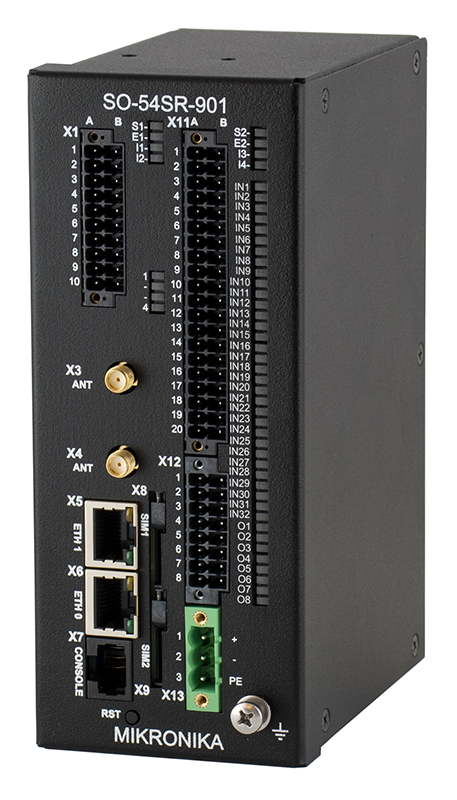
Depending on the requirements and needs, the PPC controller can be implemented on various hardware platforms, providing high flexibility in implementing control tasks. This allows the same control tasks to be implemented using various system solutions tailored to the customer's requirements.
Depending on the requirements, various controller modules, power supplies, and mounting cassettes can be used. The controller can be further supplemented with appropriate input and output modules enabling the connection of additional external devices. []
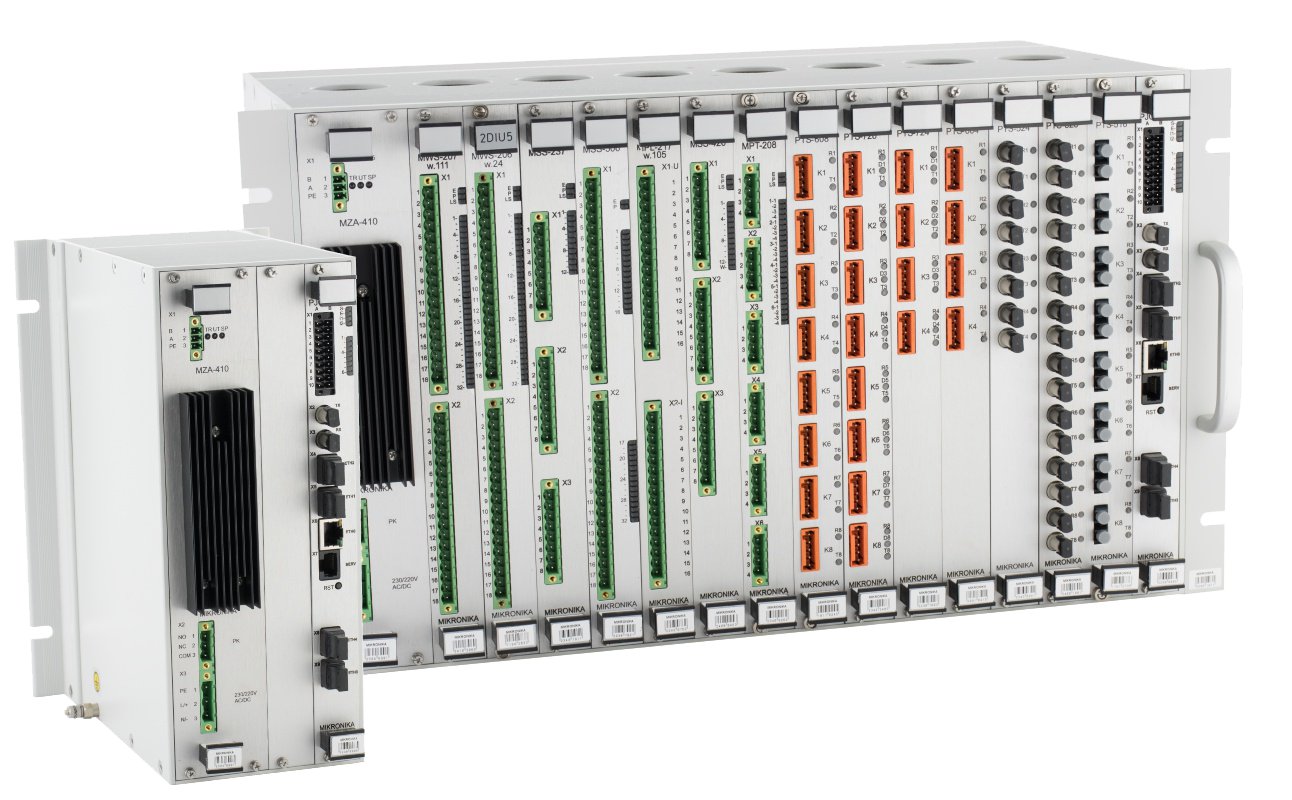
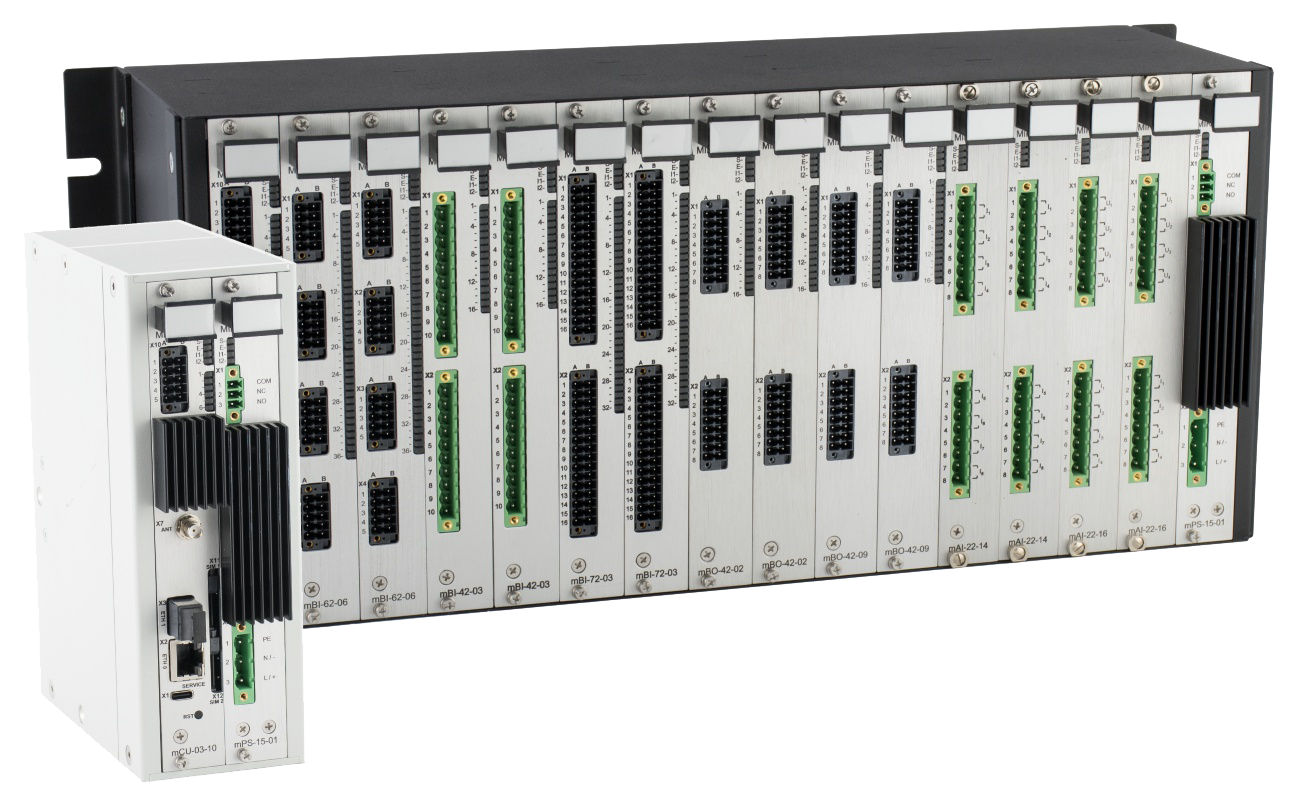
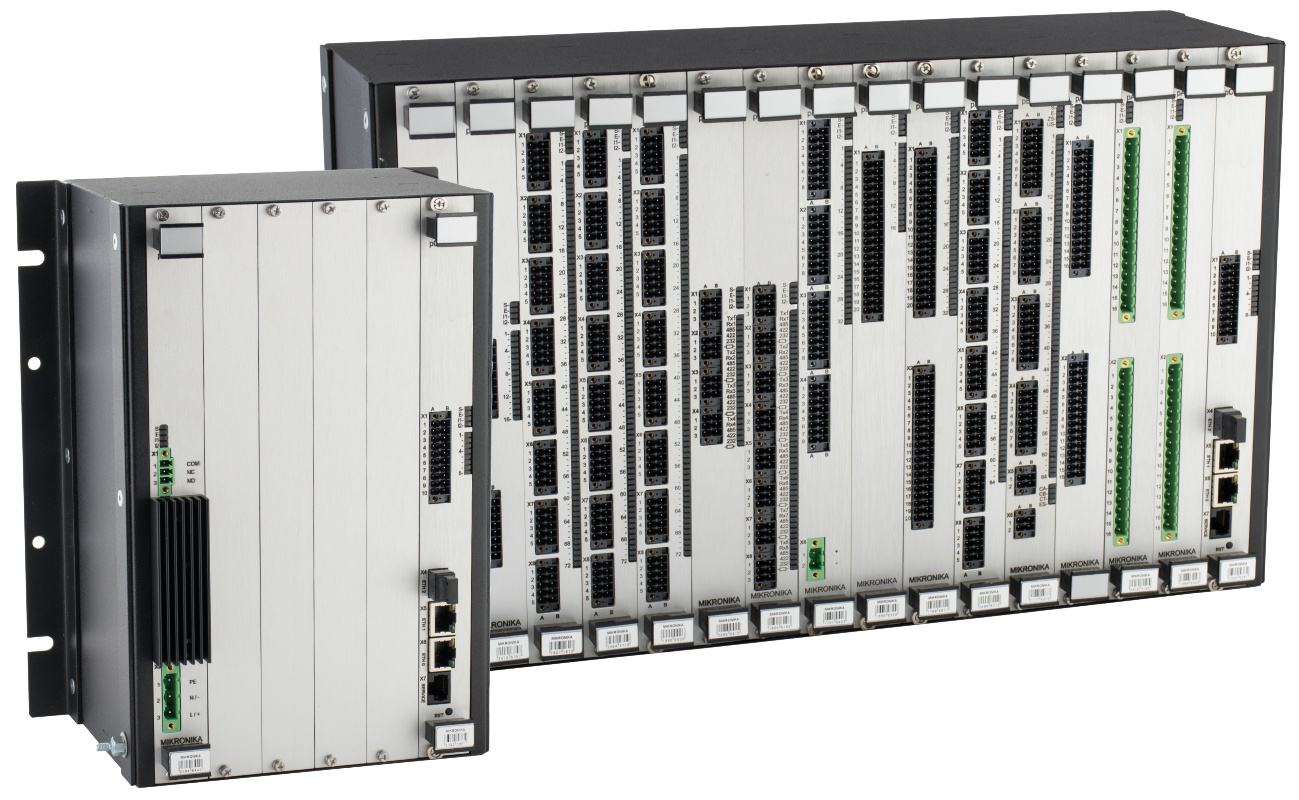
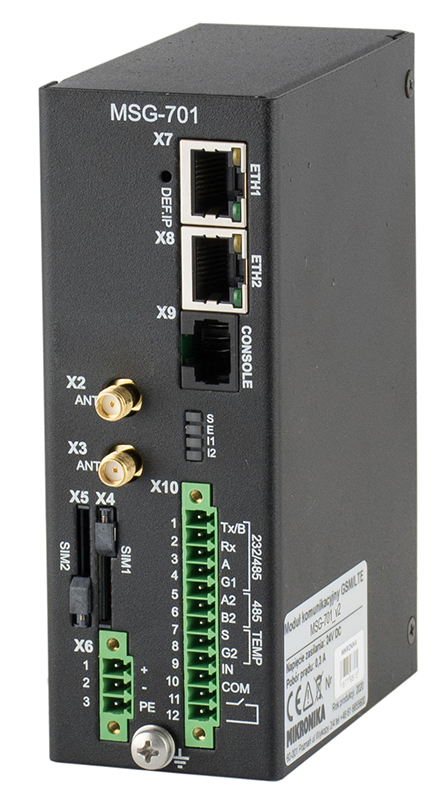
The diagram shown in the figure below shows the idea of operation of the PPC regulator as a coordinator of the operation of various devices constituting the PPM. []

The PPC controller block consists of three independent function blocks:
All blocks perform their functions independently. Each block provides required data to the other controller blocks. A simplified logic diagram is shown in the figure below. []

The SO-52v11-PPC, SO-52v12-PPC, and SO-52v21-PPC devices have a certificate of conformity issued by an accredited laboratory (see attachments at the bottom of the page). Our PPCs are included in the list of certified devices that have been positively verified by Distribution System Operators (DSOs), who are also members of PTPiREE, for having the appropriate equipment certificates for connecting power generation modules to the power grid.
The list of certified devices is available at the link below (items 4750, 4751, 4752 on page 473)
https://ptpiree.pl/wp-content/uploads/2026/07/2026-07-29-Wykaz-urzadzen_1.2.pdf
The devices meet the following requirements:
https://ptpiree.pl/en/actions-network-codes/list-of-certificates/











![Certificate of Conformity > Energy Park Module Regulator [2.1 MB] PL](/en/wp-content/uploads/sites/2/2026/07/PPC_cert_zgodnosci_2_ah-1-scaled.jpg)